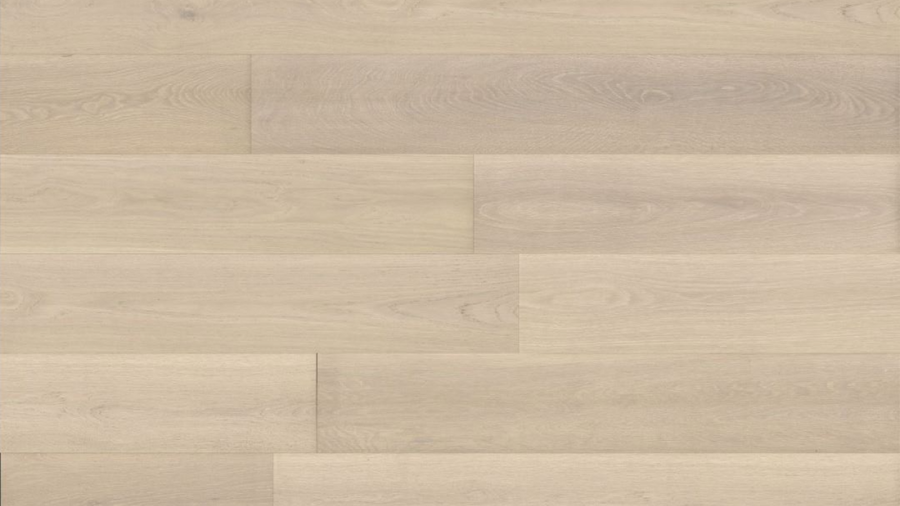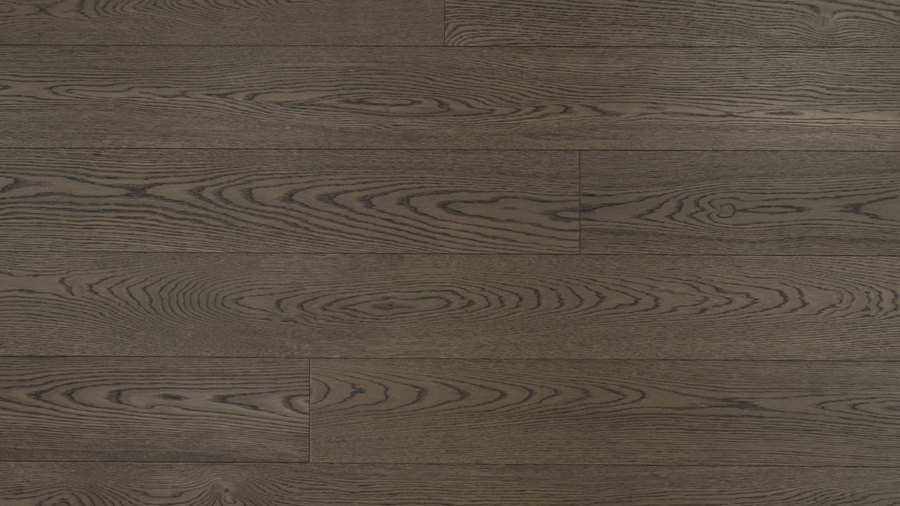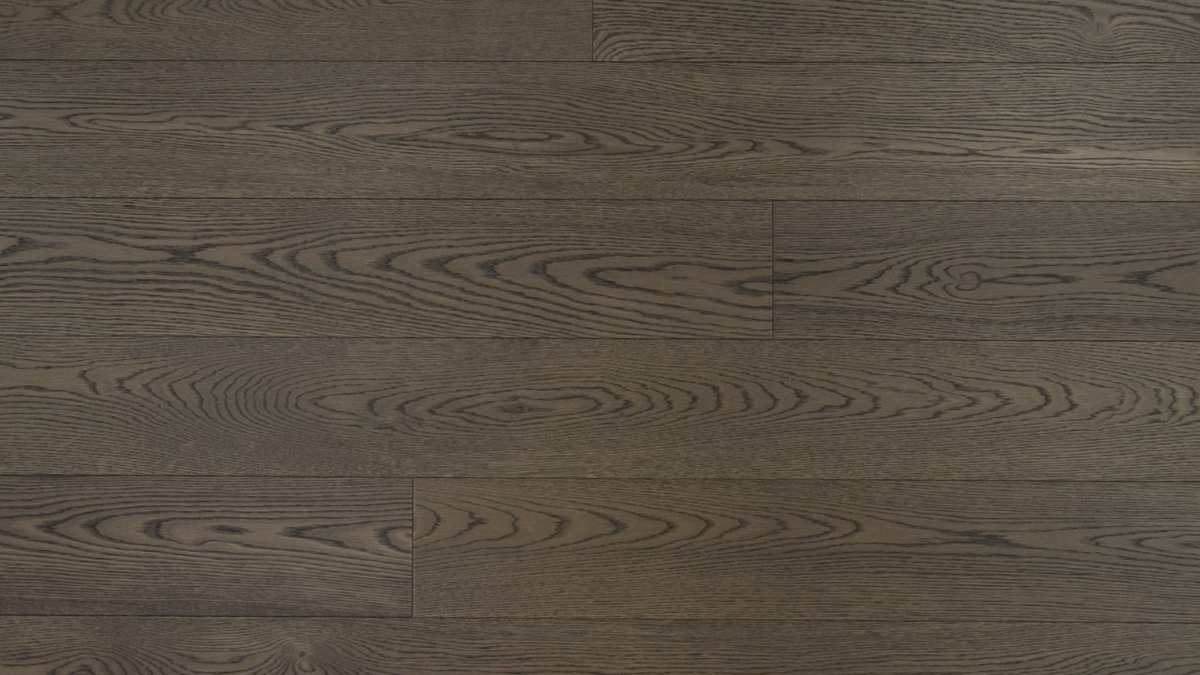
Choose hardwood color with a physical sample in the room where it will be installed. Website photos and a visualizer are useful for narrowing the direction, but they cannot reproduce every screen, light source or natural wood variation.
Start with finishes that are staying
List the elements you will keep: cabinets, countertops, tile, fireplace stone and large furniture. Put a sample of each finish beside the floor sample when possible. If the walls will be repainted, compare the intended paint color instead of choosing the floor around a temporary wall color.
Decide whether you want a close tonal relationship or a deliberate contrast. For example, a pale floor with pale cabinets can create a quiet scheme, while a deeper floor can separate the cabinetry from the floor. These are design choices, not guarantees of how a room will feel.
Build a small shortlist
Begin with one direction from our light and blonde oak, natural, medium brown or dark oak collections. Then compare two or three specific products. Too many samples make it harder to notice the differences that matter.
Use the Floor Visualizer for an initial comparison of color and layout. Treat its result as an illustration, then confirm the exact product using real samples.
Use a three-light comparison
- Morning: place the samples flat near the room's main daylight source and beside a fixed finish.
- Afternoon: move them to the center of the room and a more shaded area.
- Evening: compare them under the lights you actually use, including cabinet or accent lighting.
Keep the sample labels visible and record which combinations you prefer. Phone photos can help you remember the choices, but automatic exposure and white balance can change the recorded color. Make the final comparison in person.
Look beyond “light” and “dark”
Compare warm, cool and neutral impressions beside the surrounding finishes. Also check grain contrast, knots, surface texture and sheen. Two floors with similar overall brightness can look quite different because one has stronger grain or more natural variation.
The Character versus Select grade guide helps distinguish color choice from the amount of visible wood character. Ask whether additional sample pieces or broader product images are available if variation is important to your decision.
Three mistakes to avoid
- Choosing from a screen alone and expecting an exact color match on delivery.
- Holding a sample upright only, rather than seeing it flat in the floor's lighting.
- Assuming one small piece represents every board in a natural wood floor.
Make the final decision easier
Bring the shortlist down to a preferred product and one alternative. Confirm the grade, dimensions, availability and project quantity before requesting the full material quote. For qualifying projects within approximately 100 miles of Los Angeles, ask about a sample presentation by appointment.